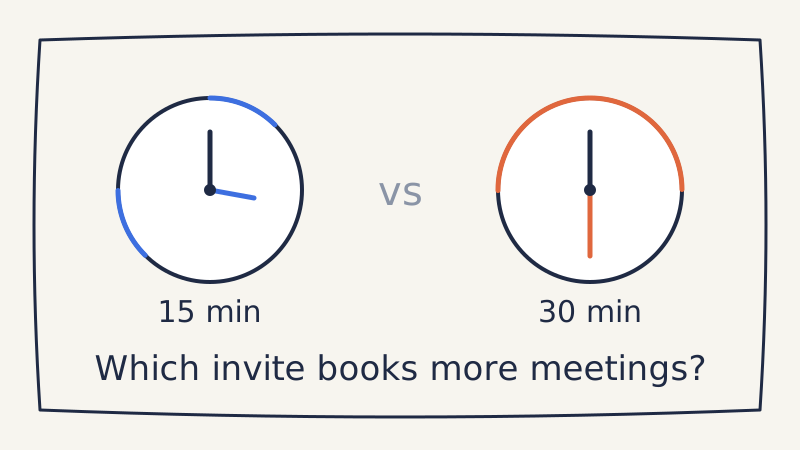
Most teams agonize over the message in a cold calendar invite and treat the meeting length as an afterthought. That is backwards. The duration is one of the first things a prospect sees, and it quietly sets the price they are being asked to pay. A 15 minute block and a 30 minute block ask for very different levels of commitment, and the gap shows up directly in your acceptance rate.
This post breaks down when the shorter invite wins, when the longer one is worth the friction, and how to decide based on who you are targeting and what you are actually offering.
Duration is a commitment signal, not a calendar entry
When someone opens a cold invite, they are not reading a scheduling detail. They are running a fast cost-benefit check: how much of my day is this stranger asking for, and is the payoff obvious? A 30 minute request from an unknown sender reads as presumptuous. You have not earned half an hour yet. A 15 minute request reads as respectful of their time and easy to say yes to.
This is the same psychology that makes calendar invites outperform plain text asks in the first place. The invite already lowers friction by handling the scheduling. The duration you choose either compounds that advantage or throws it away. If you are new to why invites beat other formats, Kali breaks down the mechanics of turning cold outreach into booked meetings, and it starts with lowering the perceived cost of yes.
The rule of thumb: the colder the relationship, the shorter the ask.
When 15 minutes is the right call
Fifteen minutes should be your default for genuinely cold outreach. Reach for it when:
- The prospect has never heard of you. No prior touch, no referral, no warm intro. You are asking for a slice of attention, not a commitment.
- You are targeting senior titles. VPs, directors, and C-level buyers guard their calendars ruthlessly. A 15 minute block is far more likely to survive their triage than a 30.
- Your goal is qualification, not a full demo. If the real purpose of the meeting is to confirm fit and decide whether a deeper conversation makes sense, you do not need 30 minutes. You need to earn the second meeting.
- You are booking at volume. Shorter default slots make your own calendar easier to protect and let you run more first conversations per week.
The 15 minute invite has a second benefit that teams underrate: it forces discipline on your side. When you only have a quarter hour, you skip the throat-clearing and get to the point. Prospects notice, and they reward it by showing up.
When 30 minutes actually earns its place
Thirty minutes is not wrong. It is just a heavier ask that needs to be justified before you make it. Use the longer block when:
- There has been prior engagement. The prospect replied to an email, attended a webinar, downloaded something, or you have already had a 15 minute intro. Warmth buys you the extra time.
- The product genuinely needs a live walkthrough. Some technical or multi-stakeholder products cannot be shown in 15 minutes without feeling rushed. If a real demo requires screen sharing and back-and-forth, a cramped slot hurts more than it helps.
- You are booking multiple stakeholders. Group calls need room for introductions and several voices. A 30 minute frame fits that reality.
- The deal size justifies it. For high-value opportunities, prospects self-select. A serious buyer will give you 30 minutes because the potential payoff is worth it to them too.
The mistake is defaulting to 30 minutes for cold first touches because that is what your calendar tool suggested. Every minute you ask for above the minimum is a minute the prospect can use as a reason to decline.
A simple decision framework
Match the duration to the temperature and the title:
- Cold plus senior title: 15 minutes. Always. This is the hardest audience to book and the least forgiving of a big ask.
- Cold plus mid-level or practitioner: 15 to 20 minutes. Slightly more calendar flexibility, but the ask should still be light.
- Warm plus any title: 30 minutes is on the table, especially if the next logical step is a real demo.
- Multi-stakeholder or late-stage: 30 minutes or more, because the meeting itself carries more weight.
When in doubt, go shorter. It is always easier to extend a good 15 minute conversation on the spot than to fill an awkward 30 minute block, and a prospect who wants more time will happily give it once you have proven you are worth it.
Length is part of a bigger deliverability picture
Picking the right duration only matters if the invite reaches a real, engaged inbox in the first place. A perfectly sized 15 minute invite sent to a stale or invalid address is wasted effort, and it quietly damages your sender reputation with every bounce. Before you run any calendar campaign, clean the list so you are only sending to addresses that exist and accept mail. Running your target list through a validation layer like Scrubby removes the risky and dead addresses that drag down acceptance metrics and put your domain at risk.
Once your list is clean, the duration on the invite becomes the lever it is meant to be. To go deeper on running these campaigns end to end, from list to booked meeting, Kali is built specifically for calendar invite outreach at scale.
The bottom line
Meeting length is not a formatting choice. It is a commitment ask that your prospect prices before they read a word of your message. Default to 15 minutes for cold outreach, especially with senior buyers, and reserve 30 minutes for relationships you have already warmed or products that truly need the room. Test both against your own audience, watch the acceptance rate move, and let the shorter ask do what it does best: make yes easy.